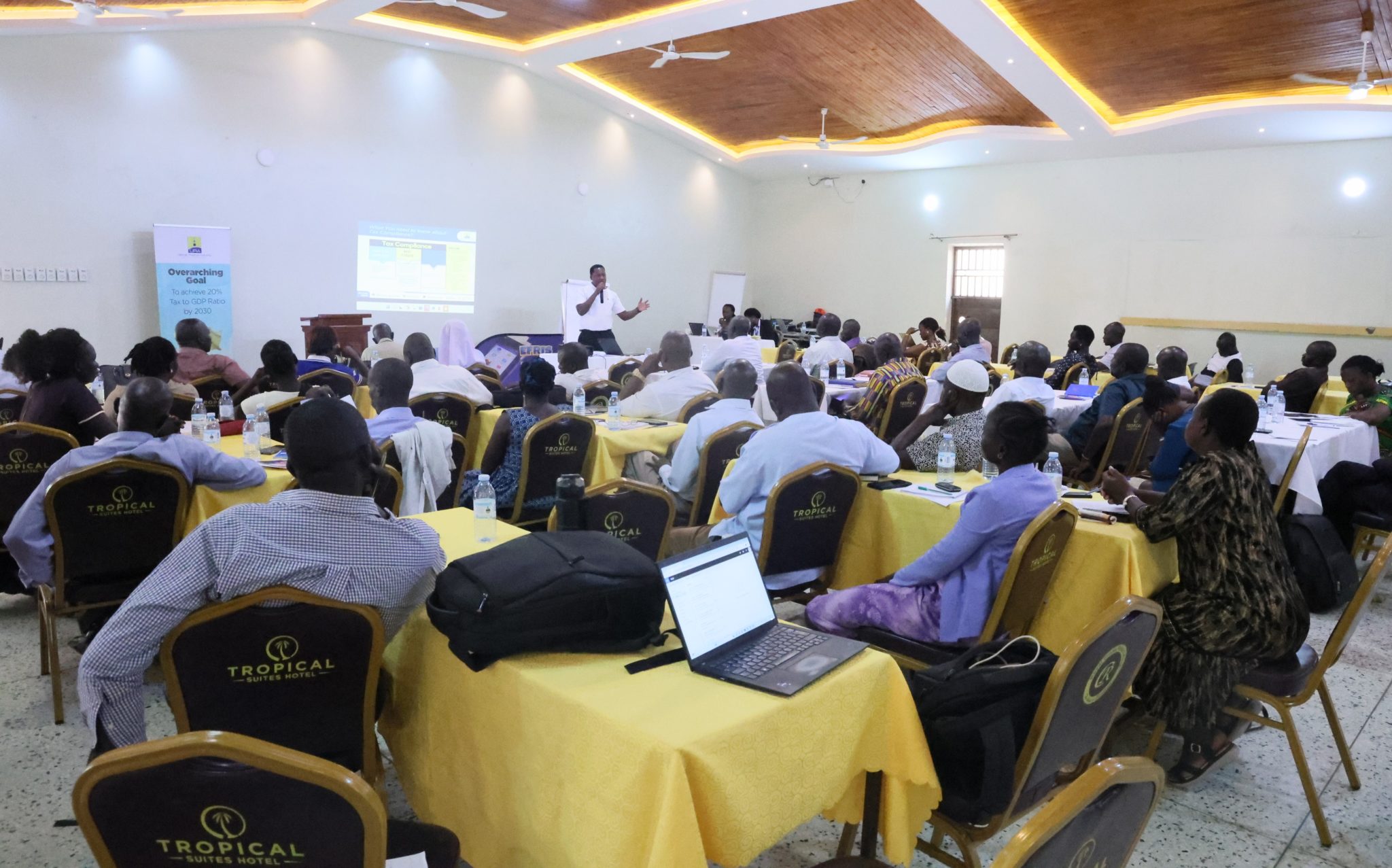
In an ever-evolving tax environment, revenue authorities are increasingly recognising that enforcement alone cannot deliver sustainable revenue growth. Instead, meaningful engagement with taxpayers is emerging as a powerful strategy for strengthening compliance, building trust, and ultimately enhancing tax collection.
Uganda Revenue Authority (URA), through its tax education division, has embraced this approach of conducting regular engagements with diverse taxpayer groups, ensuring that compliance is not only enforced but also understood and willingly embraced. By continuously interacting with taxpayers, URA seeks to address knowledge gaps, clarify obligations, and resolve challenges that may hinder compliance.
This requires consistent communication, structured feedback mechanisms, and internal coordination to ensure that insights gathered translate into meaningful action.
According to Winfred Nabukenya, a Regional Tax Outreach Officer, these engagements are deliberately structured to deepen tax knowledge and reinforce tax payer obligations.
“Our objective is to improve voluntary compliance through enhanced tax knowledge amongst the taxpaying public. This is usually done through taxpayer segmentation and sensitization focusing on different tax heads. Our message seeks to refresh the mind of our taxpayers reminding them of their role in revenue mobilisation,” she explained.
By segmenting taxpayers and tailoring messages to specific groups, URA ensures that communication is relevant and impactful. This targeted approach simplifies complex tax concepts and empowers taxpayers to meet their obligations with confidence.
These stakeholder engagements also serve as a platform for dialogue. Taxpayers are given the opportunity to raise concerns, seek clarification, and contribute to discussions on policy and administration. This two-way communication fosters a sense of inclusion and shared responsibility.
As noted by Gabula Musasizi, a leader within the Busoga Business Association, “These engagements provide a platform to raise our concerns as taxpayers and receive clarification. When taxpayers feel heard and involved, they are more likely to support and comply with tax systems,” he says.
Furthermore, stakeholder engagements bring together diverse perspectives to create shared understanding and inform transparent decision-making. These outcomes are essential for achieving sustainable revenue flows and supporting national development.
Julian Sabiti, the Manager Stakeholder Relations at URA, highlights that the success of these engagements is anchored in clear guiding principles.
“Transparency and accountability are fundamental to building credibility, requiring open and honest communication with stakeholders. Also, inclusiveness and fairness ensure that all groups, including marginalized communities such as informal traders, rural taxpayers, and persons with disabilities, are given a voice,” she notes.
This deliberate inclusivity strengthens the legitimacy of the tax system and ensures that no group is left behind. Sabiti further emphasizes the importance of mutual respect and trust, where all stakeholder views are valued as contributions to institutional improvement.
Equally critical is responsiveness and timeliness, with URA committing to provide accurate, prompt feedback to taxpayer concerns and the need for continuous improvement, as URA actively learns from stakeholder feedback through surveys, reviews, and benchmarking. This approach ensures that engagement strategies remain relevant and effective in a dynamic environment.
These guiding principles collectively reinforce the idea that stakeholder engagement is not a one-off activity but a continuous process. When effectively implemented, such engagements reduce compliance costs, improve transparency, and enhance taxpayer morale. They also enable proactive conflict resolution by addressing concerns early, before they escalate into major disputes.
As Uganda continues to pursue sustainable economic growth, the role of taxpayers in funding national development is crucial. Through sustained and inclusive engagement, URA is not only strengthening revenue collection but also nurturing a culture of voluntary compliance where taxpayers understand their responsibilities, trust the system, and actively contribute to the country’s progress.
By Itabaza Sabiti Nsiimenta